
Social Factor round-up
Takeovers versus turnout, Maple Hate, PE & retail investors, Trump goes after proxy advisors

Takeovers versus turnout
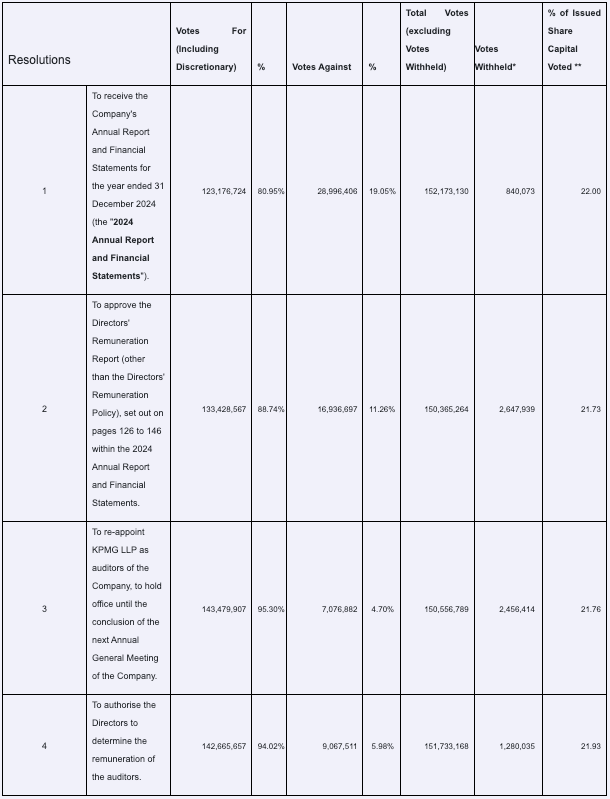
As flagged recently, John Wood Group is currently subject to a takeover bid. In a previous post I looked at how turnout had dropped from 76% at last year’s AGM to around 40% at a couple of takeover-related general meetings. Well, yesterday it held a general meeting at which the voting turnout was… 22%. From an already low level it has almost halved, with more than three quarters of the shares simply not voted.
It’s been a while since I looked at meeting turnout during takeovers but this is the lowest one I can remember, the previous being 25% at Meggitt. I won’t rehearse the reasons I believe this happens, it’s better to just note the incredibly low level of active shareholder participation. Personally I find the situation where we mouth the language of stewardship but everything dissolves into nothing when it comes to companies going through a change of ownership rather ridiculous.
Interestingly, there was a 19% vote against the annual report and accounts - in touching distance of the ‘significant vote’ threshold. As I frequently bore on, low turnout turbocharges the influence of those investors that do exercise their voting rights. In this case that 19% opposition was driven by only about 4.2% (29m) of the issued shares being voted against the ARA. At some point something unusual is going to happen.
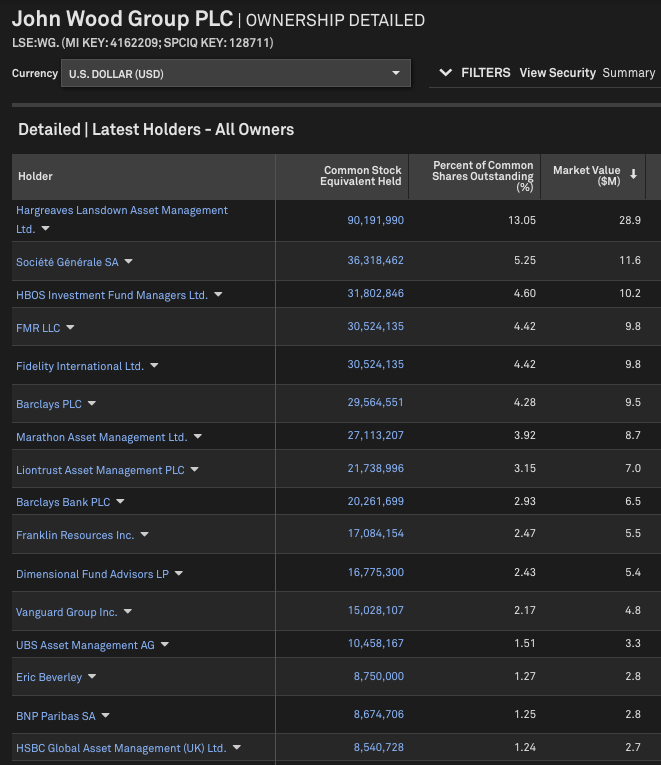
As a comparator here’s a read out from Capital IQ on current major shareholders. I’m never completely confident in this data (see for example Fidelity and FMR both appearing!) but it does provide some insight. Assuming these figures are broadly right, clearly not everyone voted their full position, even if we exclude the banks.
Maple Hate
Anyone who is following UK pensions policy will know how in awe of the ‘Maple Eight’ Canadian pension funds the UK government seems to be. So much so that we’ve now even got our naff collective name for a group of UK investors - the Sterling 20.
Poking through the FCA list of shorts in UK stocks I noticed some current positions held by one of the Eight - the Canada Pension Plan Investment Board.

The one that caught my eye was BT Group. CPPIB has teamed up with the BT Pension Scheme and Federated Hermes on several large scale investments. The investment teams must know each other pretty well. Hey ho.
Still, I won’t be able to snark about this kind of thing much longer since the FCA has determined that being able to see who is shorting which UK stocks is bad for growth.
That’s not all the Canadian pension fund news this time. Last week the Private Equity Reporting Group published its latest report. The number of in scope PE portfolio companies has continued to rise, but I thought I’d return to London City Airport:
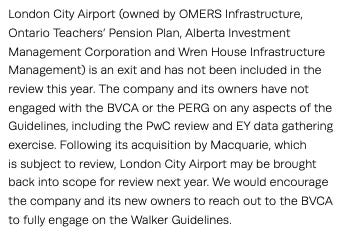
Just to note - at no point during the ownership of London City Airport by some of the Maple Eight funds was it fully compliant with the UK’s transparency guidelines for PE-owned firms. For most of the time it didn’t comply with any of the three elements of the guidelines - enhanced annual report disclosures and preparation of a mid-year update, the publications of these reports, and the provision of data to EY.
But perhaps transparency in relation to the ownership of a UK airport is also a barrier to improved economic growth….
PE & retail investors
There was a great piece on FT Alphaville this week from private equity’s tormentor-in-chief Ludovic Phalippou and law professor William Magnuson on what a retail investor base might mean for private equity.
The whole piece is worth a read (it’s not long) but this point really stood out for me:
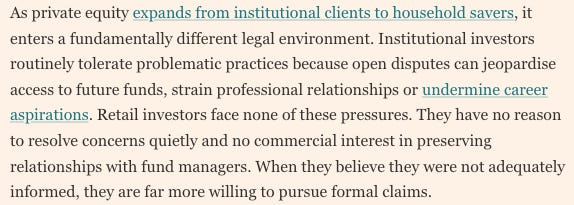
There is a delicate dance (and a revolving door, to mix my metaphors) between PE firms and their institutional clients, with the latter often very reluctant to kick up a fuss. It’s a structural issue that no-one has an interest in talking about.
A significant retail investor base could flip things.
Trump goes after proxy advisors
Latest news from the US, confirming that the Republican administration is far from done with its rollback on shareholder rights and attacks on those that advise shareholders.
In the order, posted on the White House website, Trump directed the U.S. Securities and Exchange Commission and other agencies to review if top proxy advisers Institutional Shareholder Services and Glass Lewis had violated rules or antitrust law related to their treatment of environmental and social issues. The order also directs the agencies, including the Federal Trade Commission and the Labor Department, to consider steps such as new regulations.
Separate listings for Fidelity International and FMR sounds right to me - when I worked there, admittedly years ago, they were separate legal entities, with separate voting systems and I think the voting was behind Chinese walls so they would not talk to one another. They had the same owners but were very separate companies reflecting the international and US backgrounds of each.
But the low figures overall are interesting. Keep up the good work!